What is Dry Eye Syndrome?

Due to modern lifestyle changes there has been a significant increase in the number of people suffering from dry eye syndrome.
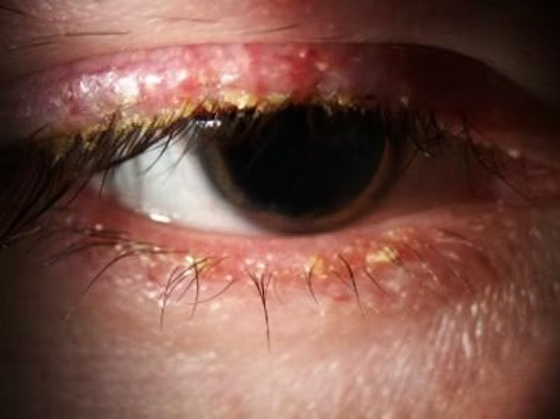
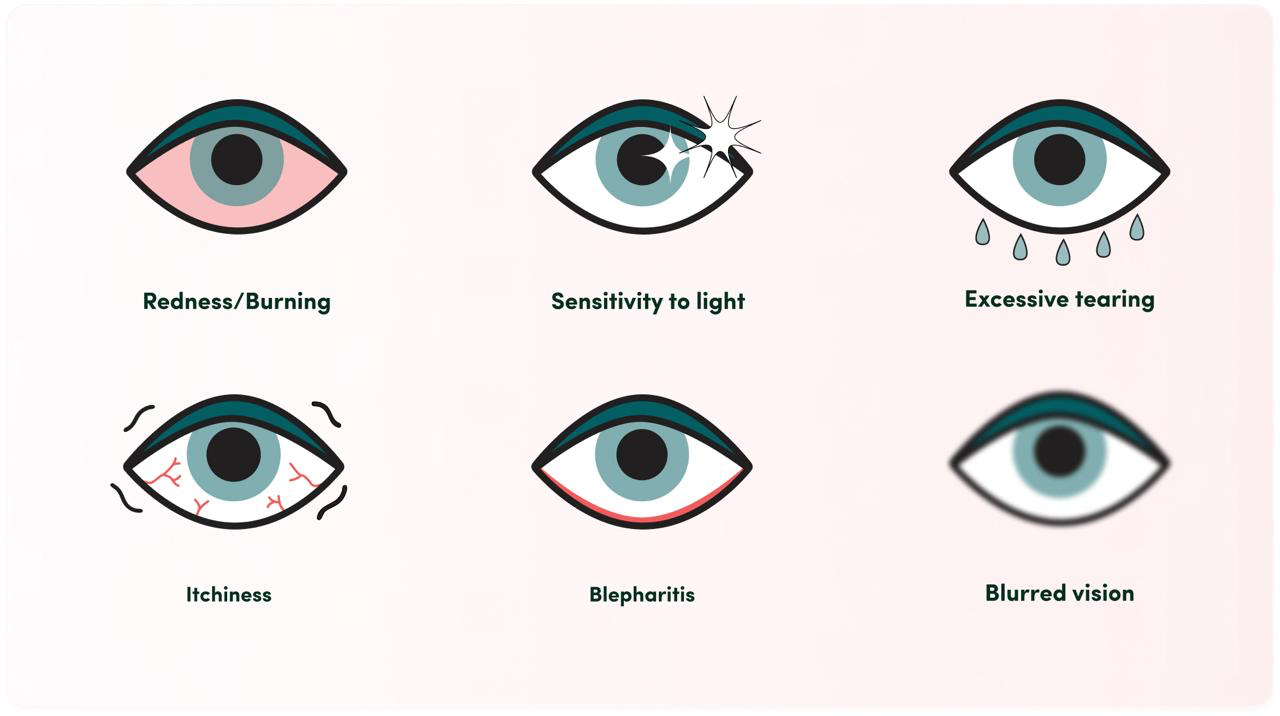
Dry eye syndrome is a common disorder of the tear film due to tear deficiency or excessive evaporation, which causes damage to the ocular surface. Symptoms include feelings of dryness, grittiness, soreness, tired eyes which get worse throughout the day, sensitivity to light, blurred vision and watery eyes.
Initially it was thought a lack of water production in the tears was responsible for dry eyes, which is why tear substitutes were prescribed. However, clinical evidence shows drops only relieve the symptoms temporarily, mainly because the drops drain away as normal tears would, meaning constant instillation throughout the day.
Current thinking is that most dry eyes are caused by poor tear quality rather than a lack of production of the watery part of the tears. With modern lifestyles, people tend to be concentrating on devices such as computers, mobile phones and tablets for prolonged periods and as such are blinking a lot less.
Blinking is essential as it distributes the tears over the surface of the eye, lubricating and providing nutrients. Lack of lubrication causes dry eye symptoms and increases friction between the lids and the ocular surface, making symptoms worse. Blinking also aids the release of the oily layer of the tears, which prevents evaporation, so reduced blinking leads to a reduction of the oily layer, increased evaporation and dry eyes.
Other dry eye causes
Age. As you age you produce fewer tears, eyelids change and are more prone to certain conditions, all of which can cause dry eyes.
Contact lenses. 25% of contact lens wearers are affected by dry eye, because of friction between the lens and the lids and the moisture required within the lens.
Environmental factors. Tears can evaporate more rapidly in certain environments, such as air conditioning, central heating, high altitude, smoke, wind and extreme temperatures.
Hormonal changes. Using the contraceptive pill, pregnancy, menopause or anything that changes your hormone levels can have an impact on tear production.
Medication. Certain medications have side effects which can cause dry eye. These include antihistamines, antidepressants, beta-blockers and diuretics.
Medical conditions. Conditions such as allergic conjunctivitis, entropion, ectropion, Bell's palsy, blepharitis, contact dermatitis, HIV, lupus, previous eye trauma, rheumatoid arthritis, scleroderma and Sjögren's syndrome.
Experience advanced dry eye care at Eyelink
At Eyelink Opticians in the City of London, we don't just rely on temporary fixes. We have invested in a dedicated dry eye room and state-of-the-art diagnostic technology, such as our IDRA ocular surface analyser, to uncover the exact root cause of your discomfort.
Following a comprehensive assessment, our specialist clinical team will recommend and deliver a tailored course of treatment, including advanced in-clinic therapies like Activa treatments, designed to give you long-lasting relief.